Lead generation isn’t just about collecting names—it’s about building relationships that convert. In today’s digital world, mastering lead generation can be the difference between a thriving business and one that struggles to survive. Let’s dive into the strategies that actually work.


What Is Lead Generation and Why It Matters

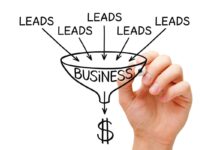
At its core, lead generation is the process of attracting and converting strangers into potential customers—people who have shown interest in your product or service. It’s the lifeblood of sales and marketing, fueling pipelines and driving revenue. Without a consistent flow of leads, even the best products can fail to gain traction.
The Evolution of Lead Generation
Lead generation has evolved dramatically over the past few decades. In the pre-digital era, businesses relied on cold calling, print ads, trade shows, and direct mail to generate interest. While these methods still have their place, the digital revolution has transformed how companies attract and engage prospects.
- Traditional methods were often costly and hard to measure.
- Digital lead generation allows for precise targeting and real-time analytics.
- Today, automation and AI are reshaping how leads are captured and nurtured.
According to HubSpot, businesses that use marketing automation see a 451% increase in qualified leads, highlighting the power of modern tools.
Types of Leads: Marketing vs. Sales Qualified
Not all leads are created equal. Understanding the difference between marketing-qualified leads (MQLs) and sales-qualified leads (SQLs) is crucial for optimizing your funnel.
Marketing-Qualified Leads (MQLs): These are prospects who have engaged with your content—downloaded an ebook, subscribed to a newsletter, or visited key pages on your site—but aren’t yet ready to buy.Sales-Qualified Leads (SQLs): These leads have been vetted by the sales team and show clear intent to purchase, such as requesting a demo or pricing information.Product-Qualified Leads (PQLs): Common in SaaS, these users have experienced your product (e.g., through a free trial) and demonstrated behaviors indicating readiness to convert..
“A lead is not just a name and email—it’s a person with a problem you can solve.” — Anonymous
7 Proven Lead Generation Strategies That Work in 2024
With countless tactics available, it’s easy to get overwhelmed.But not all lead generation strategies deliver equal results.The following seven methods are backed by data, scalable, and adaptable across industries..
1. Content Marketing: The Foundation of Organic Lead Generation
Content marketing remains one of the most effective long-term strategies for lead generation. By creating valuable, relevant content, you attract visitors who are actively searching for solutions.
- Blog posts, guides, and videos help establish authority and trust.
- Optimized content ranks on search engines, driving consistent organic traffic.
- Content gated behind lead capture forms (e.g., whitepapers, templates) converts visitors into leads.
For example, HubSpot reports that companies that blog generate 67% more leads per month than those that don’t. The key is consistency and relevance—publish content that answers real customer questions.
2. Search Engine Optimization (SEO) for Lead Generation
SEO isn’t just about ranking—it’s about attracting high-intent traffic. When people search for solutions, they’re often in the research phase, making them ideal prospects.
- Target long-tail keywords like “best CRM for small businesses” to capture specific buyer intent.
- Optimize landing pages with clear calls-to-action (CTAs) and lead capture forms.
- Use schema markup and rich snippets to improve click-through rates from search results.
A study by Backlinko found that the first result on Google has an average CTR of 27.6%, proving the value of top rankings. Combine SEO with content marketing to create a powerful, self-sustaining lead engine.
3. Paid Advertising: Fast-Track Your Lead Generation
While organic strategies take time, paid advertising delivers immediate results. Platforms like Google Ads, LinkedIn, and Facebook allow precise targeting based on demographics, interests, and behavior.
- Google Search Ads target users actively searching for solutions.
- LinkedIn Ads are ideal for B2B lead generation, offering detailed professional targeting.
- Retargeting ads re-engage visitors who didn’t convert on their first visit.
According to WordStream, the average conversion rate for Google Search Ads across industries is 3.75%. With proper optimization, this can be significantly higher. Always A/B test ad copy, landing pages, and CTAs to maximize ROI.
4. Social Media Lead Generation
Social media isn’t just for brand awareness—it’s a powerful lead generation channel when used strategically. Platforms like LinkedIn, Instagram, and Facebook offer built-in tools to capture leads without leaving the app.
- LinkedIn Lead Gen Forms allow users to submit their information with one click, increasing conversion rates.
- Facebook Lead Ads integrate with CRM systems, enabling instant follow-up.
- Live webinars and Q&A sessions on Instagram or LinkedIn build trust and collect leads in real time.
A Social Media Examiner survey found that 73% of marketers believe social media marketing is effective for lead generation. The key is choosing the right platform for your audience and providing value before asking for contact details.
5. Email Marketing: Nurturing Leads to Conversion
Email remains one of the highest ROI channels for lead generation and nurturing. Once you’ve captured a lead, email allows you to build relationships over time.
- Use lead magnets (e.g., free guides, checklists) to grow your email list.
- Segment your list based on behavior, interests, or demographics for personalized messaging.
- Automated email sequences (drip campaigns) guide leads through the buyer’s journey.
According to Campaign Monitor, email marketing has an average ROI of $42 for every $1 spent. The secret? Deliver value first—educate, entertain, or solve a problem—before pitching your product.
6. Webinars and Virtual Events
Webinars are a high-converting lead generation tool because they offer immediate value while positioning your brand as an expert.
- Host live or pre-recorded sessions on topics your audience cares about.
- Require registration to collect contact information.
- Follow up with attendees and no-shows using automated email sequences.
Research by Content Marketing Institute shows that 73% of B2B marketers use webinars to generate leads, with an average conversion rate of 40%. The combination of education and interaction makes webinars a powerful trust-building tool.
7. Referral and Partner Marketing
People trust recommendations from peers more than any ad. Leveraging existing customers and partners can supercharge your lead generation efforts.
- Launch a customer referral program with incentives for both parties.
- Partner with complementary businesses to co-host events or co-create content.
- Use affiliate marketing to reward third parties for driving qualified leads.
A Nielsen study found that 92% of consumers trust recommendations from friends and family over any other form of advertising. Turning satisfied customers into advocates can create a self-sustaining lead loop.
Essential Tools for Modern Lead Generation
No lead generation strategy is complete without the right tools. From CRM systems to automation platforms, technology enables scalability and precision.
Customer Relationship Management (CRM) Systems
A CRM is the backbone of any lead generation operation. It stores contact information, tracks interactions, and helps sales teams manage relationships.
- Popular CRMs include Salesforce, HubSpot, and Zoho.
- CRMs integrate with marketing tools to sync lead data in real time.
- Advanced CRMs offer AI-driven insights for lead scoring and prioritization.
According to Salesforce, high-performing sales teams are 2.3x more likely to use a CRM. Without one, leads can fall through the cracks, and follow-up becomes inconsistent.
Marketing Automation Platforms
Automation tools like HubSpot, Marketo, and ActiveCampaign allow you to nurture leads at scale without manual effort.
- Automated email sequences engage leads based on behavior.
- Lead scoring assigns values to prospects based on engagement and fit.
- Workflows trigger actions (e.g., notify sales, send a follow-up) when leads meet certain criteria.
Marketing automation can reduce lead response time from hours to seconds, dramatically increasing conversion chances. A Marketo report found that automation increases sales productivity by 14.5%.
Landing Page and Form Builders
Your lead capture forms and landing pages are often the first real interaction a prospect has with your brand. They need to be fast, clear, and compelling.
- Tools like Unbounce, Leadpages, and Instapage offer drag-and-drop builders.
- A/B testing features help optimize conversion rates.
- Integration with CRMs and email tools ensures seamless data flow.
Even a 1% improvement in conversion rate can double your leads over time. For example, if a landing page gets 10,000 visitors per month, increasing conversion from 2% to 3% means 100 additional leads monthly—1,200 per year.
Measuring the Success of Your Lead Generation Campaigns
Generating leads is only half the battle. To improve over time, you must measure performance and optimize based on data.
Key Lead Generation Metrics to Track
Not all metrics are created equal. Focus on the ones that directly impact revenue and efficiency.
- Conversion Rate: The percentage of visitors who become leads. A high rate indicates effective messaging and design.
- Cost Per Lead (CPL): How much you spend to acquire one lead. Lower CPL means better efficiency.
- Lead-to-Customer Rate: The percentage of leads that become paying customers. This shows lead quality.
- Customer Acquisition Cost (CAC): Total cost to acquire a customer, including marketing and sales.
- Return on Ad Spend (ROAS): Revenue generated for every dollar spent on advertising.
Tracking these metrics helps you identify what’s working and where to reallocate resources.
Using Analytics to Optimize Lead Generation
Data is your most powerful tool for continuous improvement. Use analytics platforms like Google Analytics, HubSpot, or Mixpanel to dive deep into user behavior.
- Identify which channels bring the highest-quality leads.
- Analyze drop-off points in your funnel to fix friction.
- Use heatmaps and session recordings to understand how users interact with your pages.
For example, if your blog drives traffic but has a low conversion rate, consider adding more prominent CTAs or optimizing your lead magnet. Continuous testing and refinement are key to long-term success.
Common Lead Generation Mistakes to Avoid
Even experienced marketers make mistakes that hurt their lead generation efforts. Avoiding these pitfalls can save time, money, and frustration.
Targeting the Wrong Audience
One of the most common mistakes is casting too wide a net. Trying to appeal to everyone often means resonating with no one.
- Develop detailed buyer personas to understand your ideal customer.
- Use demographic, psychographic, and behavioral data to refine targeting.
- Focus on solving specific problems for specific people.
As Neil Patel says, “If you’re trying to sell to everyone, you’re selling to no one.” Precision beats volume in modern lead generation.
Ignoring Lead Nurturing
Only 2% of leads convert on first contact. The rest need nurturing through education and trust-building.
- Implement email drip campaigns to stay top-of-mind.
- Use retargeting ads to re-engage website visitors.
- Provide value at every touchpoint—don’t just push for a sale.
According to MarketingDonut, nurtured leads make 47% larger purchases than non-nurtured leads. Patience and consistency pay off.
Poor Follow-Up Strategy
Speed matters. Research by Salesforce shows that the odds of qualifying a lead drop by 10x if contacted after 24 hours.
- Automate initial follow-ups to respond within minutes.
- Train sales teams to prioritize timely, personalized outreach.
- Use chatbots or live chat to engage visitors in real time.
A fast, relevant response can be the difference between winning a customer and losing them to a competitor.
Lead Generation Trends Shaping 2024 and Beyond
The lead generation landscape is constantly evolving. Staying ahead of trends ensures your strategies remain effective and competitive.
Rise of AI and Predictive Lead Scoring
Artificial intelligence is transforming how leads are identified and prioritized.
- AI analyzes historical data to predict which leads are most likely to convert.
- Tools like Salesforce Einstein and HubSpot’s AI features automate lead scoring.
- Chatbots powered by AI engage visitors 24/7, capturing leads even outside business hours.
According to Gartner, by 2025, 80% of marketing interactions will be managed by AI. Early adopters gain a significant advantage.
Increased Focus on Privacy and Consent
With regulations like GDPR and CCPA, and the deprecation of third-party cookies, lead generation must adapt to a privacy-first world.
- Transparency in data collection builds trust.
- First-party data (collected directly from users) is becoming more valuable.
- Zero-party data—information willingly shared by users—is the gold standard.
Brands that respect privacy and offer value in exchange for data will win long-term loyalty.
Video and Interactive Content for Engagement
Static content is no longer enough. Interactive and video content drives higher engagement and conversion.
- Interactive quizzes, calculators, and assessments capture attention and generate leads.
- Short-form video on TikTok, Instagram Reels, and YouTube Shorts reaches younger audiences.
- Live video Q&As and behind-the-scenes content humanize your brand.
A Wyzowl survey found that 91% of businesses use video as a marketing tool, with 87% reporting good ROI. Video is no longer optional—it’s essential.
Building a Scalable Lead Generation Funnel
A successful lead generation strategy isn’t a one-off campaign—it’s a repeatable, scalable system. Building a funnel ensures consistency and growth over time.
Top of Funnel: Attracting the Right Audience
The top of the funnel (TOFU) is about awareness. Your goal is to attract as many relevant visitors as possible.
- Create educational content (blogs, videos, infographics) that answers common questions.
- Use SEO and paid ads to drive traffic.
- Focus on broad but relevant keywords and topics.
Think of TOFU as casting a net—wide enough to catch interest, but targeted enough to attract the right fish.
Middle of Funnel: Converting Visitors into Leads
The middle of the funnel (MOFU) is where you convert visitors into leads by offering value in exchange for contact information.
- Use lead magnets like ebooks, webinars, or templates.
- Place CTAs strategically on high-traffic pages.
- Optimize landing pages for clarity and speed.
This stage is about building trust. The more value you provide upfront, the more likely people are to share their details.
Bottom of Funnel: Nurturing Leads to Customers
The bottom of the funnel (BOFU) is where leads become customers. This stage requires personalized, sales-focused communication.
- Send case studies, testimonials, and product demos.
- Offer limited-time discounts or free trials.
- Enable sales teams with detailed lead insights from CRM and automation tools.
According to Forrester, companies with strong lead nurturing programs generate 50% more sales-ready leads at 33% lower cost.
What is lead generation?
Lead generation is the process of attracting and converting strangers into potential customers by capturing their interest in a product or service. It typically involves collecting contact information through forms, downloads, or sign-ups, which allows businesses to nurture and eventually convert them into paying customers.
What are the best lead generation strategies?
The most effective lead generation strategies include content marketing, SEO, paid advertising, social media lead ads, email marketing, webinars, and referral programs. The best approach depends on your audience, industry, and resources, but a combination of organic and paid tactics usually delivers the best results.
How do I measure lead generation success?
You can measure lead generation success using metrics like conversion rate, cost per lead (CPL), lead-to-customer rate, customer acquisition cost (CAC), and return on ad spend (ROAS). Tracking these metrics helps you understand performance and optimize campaigns for better results.
What tools are essential for lead generation?
Essential tools include CRM systems (e.g., HubSpot, Salesforce), marketing automation platforms (e.g., Marketo, ActiveCampaign), landing page builders (e.g., Unbounce, Leadpages), and analytics tools (e.g., Google Analytics). These tools help capture, manage, and nurture leads efficiently.
How can I generate more high-quality leads?
To generate higher-quality leads, focus on targeting the right audience, offering valuable lead magnets, using lead scoring to prioritize prospects, and nurturing leads with personalized content. Quality over quantity ensures better conversion rates and lower acquisition costs.
Lead generation is not a one-time task but an ongoing strategy that fuels business growth. From understanding the basics to leveraging advanced tools and trends, every element plays a role in building a sustainable pipeline. By combining proven strategies like content marketing, SEO, and email nurturing with modern technologies like AI and automation, businesses can generate more high-quality leads than ever before. The key is consistency, measurement, and continuous optimization. Start small, test often, and scale what works—your future customers are waiting.
Further Reading:
