Ever wondered what exactly a ‘lead’ means in today’s fast-paced digital world? The leads definition isn’t just a marketing buzzword—it’s the lifeblood of sales and growth. Let’s break it down in simple, powerful terms.

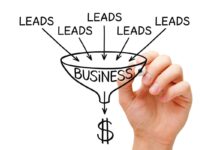

Leads Definition: What Exactly Is a Lead?

At its core, the leads definition refers to a person or organization that has shown interest in your product or service. This interest can be demonstrated in various ways—filling out a contact form, subscribing to a newsletter, downloading a whitepaper, or even engaging with your content on social media.
Basic Characteristics of a Lead
Not every visitor to your website becomes a lead. A true lead exhibits specific behaviors that signal intent. These include providing contact information, interacting with targeted content, or expressing interest through direct communication.
- Provides identifiable information (name, email, phone)
- Engages with marketing content (e.g., downloads, sign-ups)
- Shows intent to learn more about a product or service
“A lead is not just a name on a list—it’s a potential relationship waiting to be nurtured.” — HubSpot
Difference Between a Lead and a Prospect
While often used interchangeably, a lead and a prospect are not the same. A lead is an initial expression of interest, whereas a prospect is a lead that has been qualified—meaning they meet specific criteria such as budget, authority, need, and timeline (BANT).
For example, someone who signs up for a free trial is a lead. If they also fit your ideal customer profile and have decision-making power, they become a prospect. Understanding this distinction is crucial for effective sales funnel management. Learn more about lead qualification at HubSpot’s guide to leads.
Why the Leads Definition Matters in Modern Marketing
The leads definition is more than academic—it shapes how businesses design campaigns, allocate budgets, and measure success. Without a clear understanding of what constitutes a lead, companies risk wasting resources on unqualified traffic.
Impact on Sales and Revenue
Every sale starts with a lead. A well-defined leads strategy ensures that marketing efforts are aligned with sales goals. According to Salesforce, companies with strong lead management practices see a 10% or greater increase in revenue within 6-9 months.
When teams share a unified leads definition, it reduces friction between marketing and sales, improves conversion rates, and shortens the sales cycle.
Role in Customer Acquisition Strategy
Customer acquisition begins with lead generation. A precise leads definition helps marketers create targeted campaigns that attract the right audience. For instance, a B2B software company might define a lead as someone who requests a demo, while an e-commerce brand might consider a lead as a user who abandons a cart but provides an email.
This specificity allows for better segmentation, personalized messaging, and higher ROI on ad spend. Explore how customer acquisition works at Investopedia’s customer acquisition guide.
Types of Leads Based on the Leads Definition
Not all leads are created equal. The leads definition varies depending on the stage of the buyer’s journey and the level of engagement. Understanding these types helps businesses prioritize follow-up actions.
Marketing Qualified Leads (MQLs)
Marketing Qualified Leads (MQLs) are individuals who have engaged with marketing content and meet predefined criteria but are not yet ready for direct sales contact. Examples include downloading a pricing guide or attending a webinar.
MQLs are nurtured through email campaigns, retargeting ads, and educational content until they show buying intent.
Sales Qualified Leads (SQLs)
Sales Qualified Leads (SQLs) are MQLs who have been vetted by the sales team and deemed ready for direct outreach. They often exhibit behaviors like requesting a demo, asking for a quote, or engaging in live chat with sales reps.
The transition from MQL to SQL is a critical handoff point. Poor coordination here can result in lost opportunities. Learn more about MQL vs SQL at Marketo’s marketing glossary.
Product Qualified Leads (PQLs)
Product Qualified Leads (PQLs) are users who have experienced your product firsthand—typically through a free trial or freemium model—and shown behaviors indicating readiness to upgrade. For SaaS companies, PQLs are gold.
For example, a user who upgrades their plan after using key features for a week is a strong PQL. These leads require minimal persuasion and often convert faster than traditional leads.
How the Leads Definition Evolves Across Industries
The leads definition is not one-size-fits-all. It adapts to industry norms, customer behavior, and business models. What qualifies as a lead in real estate may differ vastly from tech or healthcare.
B2B vs B2C Leads
In B2B (business-to-business), leads are often organizations or decision-makers within companies. The sales cycle is longer, and lead qualification involves multiple stakeholders. A lead might be defined as a CTO who downloads a technical datasheet.
In B2C (business-to-consumer), leads are individual consumers. The definition is broader—anyone who signs up for a newsletter or creates an account can be a lead. The focus is on volume and conversion speed.
Leads in E-commerce and SaaS
E-commerce businesses often define leads as users who add items to a cart or create an account. Retargeting these leads with personalized offers can significantly boost conversions.
SaaS companies, on the other hand, rely heavily on free trials and feature usage. A lead might be someone who completes onboarding or uses a core feature multiple times. This behavioral data is key to predicting conversion.
Real Estate and Financial Services
In real estate, a lead could be a homebuyer who submits a property inquiry or schedules a viewing. In financial services, it might be someone who requests a mortgage pre-approval or downloads a retirement planning guide.
These industries often require compliance with regulations, so lead capture and handling must follow strict data privacy rules like GDPR or CCPA.
Lead Generation Strategies Aligned with the Leads Definition
Once you have a clear leads definition, the next step is generating them at scale. Effective lead generation combines content, technology, and psychology.
Content Marketing and Lead Magnets
Content is one of the most powerful tools for attracting leads. By offering valuable resources—like eBooks, checklists, or templates—in exchange for contact information, businesses can build a database of interested users.
A well-crafted lead magnet addresses a specific pain point. For example, a digital marketing agency might offer a free SEO audit to generate high-intent leads.
Social Media and Paid Advertising
Platforms like LinkedIn, Facebook, and Instagram allow precise targeting based on demographics, interests, and behaviors. Paid ads can drive traffic to landing pages designed to convert visitors into leads.
For B2B companies, LinkedIn lead gen forms are highly effective. For B2C, Facebook lead ads with instant forms reduce friction and increase conversion rates.
Email Campaigns and Webinars
Email remains one of the highest ROI channels for lead generation. Drip campaigns, welcome sequences, and re-engagement emails keep leads warm and moving through the funnel.
Webinars are especially effective for complex products. They allow real-time interaction, build trust, and capture high-quality leads. According to ON24, webinars generate 5x more leads than other content types.
Measuring and Optimizing Based on the Leads Definition
Having a solid leads definition is only the beginning. To drive growth, businesses must track performance and continuously optimize.
Key Metrics to Track
Not all leads are equal, so tracking the right metrics is essential. Key performance indicators include:
- Lead Conversion Rate: Percentage of leads that become customers
- Cost Per Lead (CPL): How much you spend to acquire one lead
- Lead-to-Customer Ratio: How many leads turn into paying customers
- Lead Quality Score: A composite metric based on engagement, fit, and behavior
These metrics help identify which channels and campaigns deliver the best results.
Tools for Lead Tracking and Management
Customer Relationship Management (CRM) systems like Salesforce, HubSpot, and Zoho are essential for managing leads. They allow teams to track interactions, automate follow-ups, and score leads based on behavior.
Marketing automation tools like Mailchimp, ActiveCampaign, and Marketo enable personalized nurturing at scale. Integrating these tools ensures no lead falls through the cracks.
A/B Testing and Continuous Improvement
Optimization is an ongoing process. A/B testing landing pages, email subject lines, and call-to-action buttons can significantly improve lead conversion rates.
For example, changing a button from “Submit” to “Get My Free Guide” increased conversions by 30% in one case study. Small tweaks, when tested systematically, lead to big gains over time.
Common Mistakes in Applying the Leads Definition
Even experienced marketers make errors when defining and handling leads. Avoiding these pitfalls can save time, money, and missed opportunities.
Overlooking Lead Quality for Quantity
Chasing high lead volume without regard for quality is a common trap. A thousand unqualified leads are less valuable than ten highly interested ones.
Focus on attracting the right audience through targeted messaging and precise segmentation. Quality leads convert faster and have higher lifetime value.
Poor Follow-Up and Nurturing
Many leads are lost not because they weren’t interested, but because they weren’t followed up with promptly. Research shows that leads contacted within 5 minutes are 21x more likely to convert.
Automated email sequences, personalized outreach, and timely responses are critical for nurturing leads through the funnel.
Misalignment Between Sales and Marketing
When sales and marketing teams don’t agree on the leads definition, friction occurs. Marketing may pass leads that sales deems unqualified, leading to frustration and inefficiency.
Regular alignment meetings, shared KPIs, and a Service Level Agreement (SLA) between teams can bridge this gap and improve collaboration.
What is the basic leads definition?
The basic leads definition is a person or entity that has shown interest in a product or service by providing contact information or engaging with marketing content. This interest marks the beginning of a potential customer relationship.
What’s the difference between a lead and a prospect?
A lead is anyone who shows initial interest, while a prospect is a lead that has been qualified based on criteria like budget, authority, need, and timeline (BANT). Prospects are closer to making a purchase decision.
How do you generate high-quality leads?
Generate high-quality leads by offering valuable content (lead magnets), using targeted advertising, optimizing landing pages, and nurturing leads with personalized email campaigns. Focus on attracting the right audience, not just any audience.
What tools help manage leads effectively?
CRM platforms like HubSpot, Salesforce, and Zoho CRM help manage leads. Marketing automation tools like Marketo and ActiveCampaign support nurturing and tracking. These tools integrate to provide a unified view of the customer journey.
Why is lead scoring important?
Lead scoring assigns a value to leads based on their behavior and profile. It helps prioritize follow-up efforts, ensuring sales teams focus on the most promising leads, improving efficiency and conversion rates.
Understanding the leads definition is the foundation of any successful marketing and sales strategy. From identifying what a lead is to generating, qualifying, and nurturing them, every step impacts your bottom line. By aligning your team, using the right tools, and continuously optimizing, you can turn leads into loyal customers and drive sustainable growth.
Further Reading:
