Want to grow your business fast? It all starts with one crucial element: leads. Without a steady stream of quality leads, even the best products can go unnoticed. In this deep dive, we’ll explore what leads really are, how to generate them effectively, and the proven strategies that top marketers use to convert strangers into loyal customers.

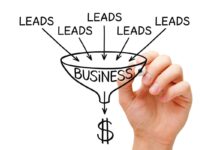

What Are Leads and Why They Matter

At the heart of every successful business lies a simple truth: you need people to know about your product or service. These people are called leads. But not all leads are created equal. Understanding what leads are—and why they’re essential—is the first step toward building a sustainable sales pipeline.
Defining Leads in Modern Marketing
A lead is any individual or organization that has shown interest in your product or service. This interest can be demonstrated in many ways: filling out a contact form, downloading a free guide, subscribing to a newsletter, or requesting a demo. The key is that they’ve taken an action that indicates intent.
- Leads are potential customers, not yet buyers.
- They enter your marketing funnel after engaging with your brand.
- Leads can come from various channels: social media, websites, events, or ads.
“A lead is the starting point of a relationship between a business and a potential customer.” — HubSpot
The Evolution of Leads in the Digital Age
Before the internet, leads were often generated through cold calls, print ads, or trade shows. Today, digital transformation has revolutionized how we capture and nurture leads. With tools like CRM systems, landing pages, and AI-powered chatbots, businesses can now track, score, and convert leads with unprecedented precision.
- Digital leads are easier to track and analyze.
- Automation allows for instant follow-up and personalization.
- Social media platforms like LinkedIn and Facebook have become lead generation powerhouses.
Types of Leads: From Cold to Hot
Not all leads are ready to buy. In fact, most aren’t. That’s why marketers categorize leads based on their level of engagement and readiness to purchase. Understanding these types helps you tailor your approach and increase conversion rates.
Cold Leads: The Starting Point
Cold leads are individuals who have had little to no interaction with your brand. They might have seen an ad or heard your name, but they’re not actively considering your product. These leads require nurturing before they can move down the sales funnel.
- They often don’t know your brand or value proposition.
- Marketing efforts focus on education and awareness.
- Email drip campaigns and retargeting ads work well for cold leads.
Warm Leads: Showing Interest
Warm leads have taken a step toward engagement. Maybe they downloaded a whitepaper, attended a webinar, or followed your company on social media. They’re aware of your brand and are open to learning more.
- They’ve shown intent by taking a specific action.
- They respond better to personalized content and offers.
- Lead scoring systems often classify warm leads as medium-priority.
Hot Leads: Ready to Buy
Hot leads are the golden ticket. These are prospects who are actively looking to make a purchase and may only need a final push. They’ve likely requested a demo, spoken to a sales rep, or added a product to their cart.
- They’re at the bottom of the sales funnel.
- Immediate follow-up is critical to close the deal.
- Sales teams prioritize hot leads for direct outreach.
How to Generate Leads: Proven Methods That Work
Generating leads isn’t about luck—it’s about strategy. The most successful businesses use a mix of inbound and outbound techniques to attract, capture, and convert prospects. Let’s explore the top methods that consistently deliver results.
Content Marketing: Attracting Leads Naturally
One of the most effective ways to generate leads is through valuable content. Blogs, videos, infographics, and ebooks draw in audiences searching for solutions. When you offer something useful, people willingly exchange their contact information.
- Create gated content like free templates or checklists.
- Optimize blog posts for SEO to attract organic traffic.
- Use compelling calls-to-action (CTAs) to convert readers into leads.
For example, a company offering project management software might create a free downloadable guide titled “10 Ways to Boost Team Productivity.” Visitors must enter their email to access it—turning them into a lead instantly. Learn more about content marketing strategies at HubSpot’s Content Marketing Guide.
Social Media Lead Generation
Social platforms are no longer just for brand awareness—they’re powerful lead generation tools. Facebook Lead Ads, LinkedIn InMail, and Instagram contact buttons allow users to submit information without leaving the app.
- Use lead ads with pre-filled forms for higher conversion.
- Run targeted campaigns based on job title, industry, or interests.
- Engage followers with polls, quizzes, and live Q&A sessions to boost interaction.
LinkedIn, in particular, is a goldmine for B2B leads. According to LinkedIn Marketing Solutions, businesses using lead gen forms see up to 3x higher conversion rates than traditional landing pages.
Email Marketing: Nurturing and Capturing Leads
Email remains one of the highest ROI channels for lead generation. By building a list of subscribers, you can nurture relationships over time and guide leads toward a purchase.
- Offer lead magnets like free courses or discount codes.
- Use segmentation to send personalized content.
- Automate drip campaigns to keep leads engaged.
“Email marketing generates $42 for every $1 spent—making it the most cost-effective lead generation channel.” — DMA
Lead Generation Tools and Technologies
Today’s marketers don’t have to rely on guesswork. A wide range of tools helps automate, track, and optimize the entire lead generation process. From CRM systems to AI chatbots, technology is making it easier than ever to capture and convert leads.
CRM Systems: Managing Leads Efficiently
Customer Relationship Management (CRM) platforms like Salesforce, HubSpot, and Zoho CRM are essential for organizing and tracking leads. These systems store contact details, interaction history, and lead scores—all in one place.
- Automate follow-ups and task reminders.
- Track lead sources and conversion rates.
- Integrate with email, social media, and website tools.
For instance, Salesforce Sales Cloud allows teams to prioritize leads based on behavior and engagement, ensuring no opportunity slips through the cracks.
Landing Page Builders for High-Converting Forms
Your landing page is often the first real interaction a prospect has with your brand. Tools like Unbounce, Leadpages, and Instapage let you create optimized, mobile-friendly pages designed to convert visitors into leads.
- A/B test headlines, images, and CTAs.
- Use pop-ups, slide-ins, and sticky bars to capture attention.
- Integrate with email marketing and CRM tools seamlessly.
AI and Chatbots: Real-Time Lead Engagement
AI-powered chatbots can engage website visitors 24/7, answering questions and collecting lead information. Platforms like Drift, Intercom, and ManyChat qualify leads in real time and route them to the right team.
- Reduce response time from hours to seconds.
- Qualify leads by asking targeted questions.
- Book meetings directly from chat conversations.
According to a study by Drift, companies using conversational marketing see a 30-50% increase in qualified leads.
Lead Scoring: Prioritizing the Right Leads
Not all leads deserve the same level of attention. Lead scoring is a system that assigns points to prospects based on their behavior, demographics, and engagement level. This helps sales and marketing teams focus on the most promising opportunities.
How Lead Scoring Works
Lead scoring combines explicit and implicit data to determine a lead’s readiness to buy. Explicit data includes job title, company size, or industry. Implicit data comes from actions like visiting pricing pages, downloading case studies, or attending webinars.
- High scores indicate sales-ready leads.
- Low scores suggest the need for further nurturing.
- Scores can be positive (engagement) or negative (inactivity).
Implementing a Lead Scoring Model
To build an effective lead scoring system, start by aligning sales and marketing teams on what defines a qualified lead. Then, use your CRM to track behaviors and assign values.
- Define criteria for marketing-qualified leads (MQLs) and sales-qualified leads (SQLs).
- Set thresholds for when a lead is passed to sales.
- Regularly review and refine your scoring model based on conversion data.
“Companies that use lead scoring experience a 77% increase in lead generation ROI.” — Marketo
Lead Nurturing: Turning Prospects into Customers
Only a small percentage of leads are ready to buy immediately. The rest need time and the right information to make a decision. Lead nurturing is the process of building trust and guiding prospects through the buyer’s journey.
The Role of Drip Campaigns
Drip campaigns are automated email sequences that deliver relevant content over time. They keep your brand top-of-mind and provide value at each stage of the funnel.
- Send educational content to cold leads.
- Share customer testimonials and case studies with warm leads.
- Offer limited-time discounts or free trials to hot leads.
Personalization and Behavioral Triggers
Generic messages get ignored. Personalized content based on user behavior dramatically increases engagement. Tools can trigger emails based on actions like page visits, form submissions, or cart abandonment.
- Use the lead’s name and company in communications.
- Recommend products based on browsing history.
- Send follow-ups after a webinar or demo request.
Multichannel Nurturing Strategies
Don’t rely on email alone. Combine email, social media, retargeting ads, and SMS to stay connected across platforms. A consistent message across channels reinforces your brand and accelerates decision-making.
- Retarget website visitors with personalized ads.
- Engage leads on LinkedIn with direct messages.
- Use SMS for time-sensitive offers or appointment reminders.
Measuring Lead Quality and Conversion Rates
Generating leads is only half the battle. The real measure of success is how many of those leads turn into paying customers. Tracking key metrics helps you refine your strategy and improve ROI.
Key Metrics to Track
To evaluate your lead generation efforts, focus on these critical KPIs:
- Conversion Rate: Percentage of leads that become customers.
- Cost Per Lead (CPL): How much you spend to acquire one lead.
- Lead-to-Customer Ratio: How many leads it takes to close one sale.
- Time to Conversion: Average days from lead capture to purchase.
Using Analytics to Optimize Performance
Tools like Google Analytics, CRM dashboards, and marketing automation platforms provide insights into what’s working. Analyze traffic sources, campaign performance, and user behavior to make data-driven decisions.
- Identify which channels generate the highest-quality leads.
- Optimize underperforming landing pages.
- Adjust ad spend based on lead quality, not just quantity.
“Data-driven companies are 23 times more likely to acquire customers.” — McKinsey & Company
Common Lead Generation Mistakes to Avoid
Even experienced marketers make mistakes that hurt their lead generation results. Recognizing these pitfalls can save time, money, and missed opportunities.
Chasing Quantity Over Quality
It’s tempting to focus on the number of leads generated. But 1,000 unqualified leads are less valuable than 100 sales-ready ones. Prioritize quality by defining your ideal customer profile (ICP) and targeting accordingly.
- Use lead scoring to filter out low-intent prospects.
- Align marketing and sales on what constitutes a qualified lead.
- Focus on engagement metrics, not just form submissions.
Neglecting Follow-Up
Many leads are lost simply because of poor follow-up. Research shows that 80% of leads require five or more follow-ups before converting. Automated workflows and timely responses are essential.
- Respond to inquiries within minutes, not days.
- Use multi-touch sequences across email, phone, and social.
- Track follow-up effectiveness and adjust timing.
Failing to Nurture Long-Term
Some leads aren’t ready to buy now—but they might be in six months. Without nurturing, these prospects forget about you. Build long-term relationships through consistent value delivery.
- Keep leads engaged with newsletters and updates.
- Re-engage inactive subscribers with win-back campaigns.
- Offer exclusive content to loyal followers.
What is the difference between a lead and a prospect?
A lead is anyone who has shown interest in your product, while a prospect is a lead that has been qualified as having a genuine need, budget, and authority to make a purchase. All prospects are leads, but not all leads become prospects.
How can I generate more leads for my business?
Focus on creating valuable content, optimizing your website for conversions, leveraging social media ads, using email marketing, and implementing lead capture tools like pop-ups and landing pages. Consistency and testing are key.
What makes a high-quality lead?
A high-quality lead matches your ideal customer profile, has shown active interest (e.g., visiting pricing pages), engages with your content, and fits your target demographic and firmographic criteria.
How long does it take to convert a lead into a customer?
It varies by industry and product complexity. B2B sales cycles can take weeks or months, while B2C conversions may happen in minutes. On average, it takes 84 days for a B2B lead to become a customer, according to HubSpot.
Should I buy leads?
Purchased leads are often low-quality and may violate privacy regulations like GDPR. It’s better to generate organic, permission-based leads through content, SEO, and engagement strategies for better long-term results.
Leads are the lifeblood of any growing business. From understanding the different types to mastering generation, scoring, and nurturing, every step in the lead lifecycle impacts your bottom line. By leveraging the right strategies, tools, and metrics, you can build a predictable pipeline of high-quality leads that drive sustainable growth. The key is consistency, personalization, and a relentless focus on delivering value. Start applying these principles today, and watch your conversion rates soar.
Further Reading:
