Ever wondered what ‘leads meaning’ really is? It’s not just about names and emails. It’s the lifeblood of sales, the spark of growth, and the key to scaling any business. Let’s break it down—clearly, deeply, and strategically.

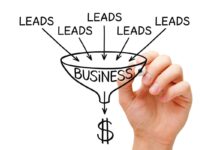

Leads Meaning: The Core Definition and Why It Matters

At its most basic, the term leads meaning refers to potential customers who have shown interest in your product or service. But this simple definition barely scratches the surface. In marketing and sales, a lead is more than just a contact—it’s the starting point of a relationship, the first step in a journey that could end in a closed deal.
What Exactly Is a Lead?
A lead is any individual or organization that has provided contact information and demonstrated some level of interest in what you offer. This could be through filling out a form, downloading a guide, subscribing to a newsletter, or engaging with your content. The key is that they’ve taken an action that signals intent.
- A lead is not yet a customer, but a prospect in the pipeline.
- Leads can come from various channels: social media, ads, websites, events, or referrals.
- Not all leads are equal—some are more qualified than others.
“A lead is the first handshake in a long-term business relationship.” — MarketingProfs
Why Understanding Leads Meaning Is Crucial for Business Growth
Without leads, there are no sales. Without sales, there’s no revenue. It’s that simple. But understanding the leads meaning goes beyond this linear logic. It’s about recognizing that every lead represents an opportunity—not just to sell, but to solve a problem, build trust, and create value.
Businesses that master lead generation and management consistently outperform their competitors. According to HubSpot, companies that prioritize lead nurturing generate 50% more sales-ready leads at a 33% lower cost. That’s the power of knowing your leads and what they mean to your bottom line.
HubSpot’s guide to leads breaks down how leads function across the customer journey, emphasizing their role in inbound marketing strategies.
leads meaning – Leads meaning menjadi aspek penting yang dibahas di sini.
Types of Leads: From Cold to Hot
Not all leads are created equal. The leads meaning evolves depending on where a prospect is in the buyer’s journey. Understanding the different types of leads helps businesses tailor their approach, improve conversion rates, and allocate resources more efficiently.
Cold Leads: The Starting Point
Cold leads are individuals who have shown minimal interest or engagement. They may have signed up for a newsletter or attended a webinar, but they’re not actively looking to buy. These leads require nurturing through content, email campaigns, and consistent follow-up.
- They lack urgency or immediate intent to purchase.
- Conversion rates for cold leads are typically low without proper nurturing.
- Best approached with educational content and soft CTAs.
For example, someone who downloads an eBook on “10 Tips for Better Time Management” from a productivity app company is a cold lead. They’re interested in the topic, but not necessarily ready to buy the app.
Warm Leads: Showing Interest
Warm leads have engaged more deeply with your brand. They might have visited your pricing page, requested a demo, or interacted with your sales team. These leads are more likely to convert because they’ve taken deliberate steps toward learning more about your offering.
- They’ve shown intent through specific actions.
- They often require personalized follow-up.
- Higher conversion potential than cold leads.
A warm lead could be a small business owner who fills out a contact form asking for a quote on your CRM software. They’re evaluating options and are closer to making a decision.
Hot Leads: Ready to Buy
Hot leads are the golden ticket. These are prospects who are actively seeking a solution, have budget allocated, and are ready to make a purchase. They often come from high-intent channels like paid search, direct inquiries, or referrals.
leads meaning – Leads meaning menjadi aspek penting yang dibahas di sini.
- They exhibit strong buying signals (e.g., requesting a contract).
- Require immediate follow-up from sales teams.
- Have the highest conversion rates.
For instance, a marketing manager searching for “best email marketing tool for e-commerce” and clicking on a paid ad to request a free trial is a hot lead. They’re in the decision phase and likely comparing a few top options.
According to Salesforce, hot leads respond 10x faster to outreach than cold leads, making speed of response a critical factor in conversion.
How Leads Are Generated: Channels and Strategies
Understanding the leads meaning also involves knowing how leads are acquired. Different channels yield different types of leads, and each requires a tailored strategy for optimal results.
Inbound Marketing: Attracting Leads Naturally
Inbound marketing focuses on drawing leads to your business through valuable content, SEO, social media, and other non-intrusive methods. The goal is to be found when prospects are searching for solutions.
- Blogs, videos, and infographics attract organic traffic.
- SEO-optimized content increases visibility on search engines.
- Lead magnets (e.g., free trials, templates) capture contact info.
For example, a well-ranked blog post titled “How to Choose the Right Project Management Tool” can attract hundreds of leads over time. When readers download a related checklist in exchange for their email, they become leads.
Neil Patel’s guide to inbound marketing explains how content-driven strategies generate high-quality leads at scale.
leads meaning – Leads meaning menjadi aspek penting yang dibahas di sini.
Outbound Marketing: Reaching Out Directly
Outbound marketing involves proactively reaching out to potential customers through cold emails, calls, ads, or direct mail. While often seen as more aggressive, it can be highly effective when targeted correctly.
- Cold outreach to decision-makers in specific industries.
- Pay-per-click (PPC) ads on Google or LinkedIn.
- Trade shows and networking events.
A B2B software company might use LinkedIn Sales Navigator to identify IT managers and send personalized connection requests with a follow-up message about a new feature. This is outbound lead generation in action.
“Outbound isn’t dead—it’s just smarter now.” — Forbes
Referral and Partner Leads: Trust-Based Acquisition
One of the most powerful sources of leads is word-of-mouth. Referral leads come from existing customers, partners, or affiliates who recommend your product. These leads often have higher trust and faster conversion rates.
- Customer referral programs incentivize sharing.
- Strategic partnerships can open new markets.
- High lifetime value due to pre-existing trust.
A SaaS company offering a $100 credit for every successful referral taps into its user base to generate warm, qualified leads. According to ReferralRock, referred customers have a 16% higher lifetime value than non-referred ones.
Lead Qualification: Separating Prospects from Opportunities
Not every lead deserves the same attention. The leads meaning becomes actionable only when you can distinguish between a casual inquirer and a serious buyer. This is where lead qualification comes in.
BANT Framework: Budget, Authority, Need, Timing
BANT is one of the most widely used models for qualifying leads. It helps sales teams assess whether a lead is ready to move forward.
leads meaning – Leads meaning menjadi aspek penting yang dibahas di sini.
- Budget: Does the lead have the financial resources to purchase?
- Authority: Is the lead the decision-maker or influencer?
- Need: Do they have a clear problem your product solves?
- Timing: Are they looking to buy soon?
A lead who says, “We need a new HR software, have $10K budget, I’m the HR director, and we want to implement it in Q3,” fits the BANT model perfectly and should be prioritized.
Lead Scoring: Assigning Value to Engagement
Lead scoring is a systematic way to rank leads based on their behavior and profile. Each action (e.g., visiting a pricing page, opening emails) earns points. High-scoring leads are more likely to convert.
- Behavioral scoring tracks digital interactions.
- Demographic scoring considers job title, company size, industry.
- Automated tools like HubSpot or Marketo can manage scoring.
For example, a lead who downloads a product brochure (+10 points), attends a webinar (+20), and visits the pricing page three times (+30) might reach a threshold that triggers a sales follow-up.
“Companies using lead scoring see a 77% increase in lead generation ROI.” — Annuitas Group
Leads Meaning in Different Industries
The interpretation of leads meaning can vary significantly across industries. What constitutes a lead in real estate might differ from what’s considered a lead in SaaS or e-commerce.
Real Estate: From Inquiry to Closing
In real estate, a lead is typically someone looking to buy, sell, or rent property. Leads can come from online listings, open houses, or referrals.
- Buyer leads: Individuals searching for homes in a specific area.
- Seller leads: Homeowners considering putting their property on the market.
- Rental leads: Tenants seeking new accommodations.
Real estate agents often use CRM tools to track lead status and follow up quickly. According to the National Association of Realtors, 44% of buyer leads come from internet inquiries, making digital lead generation critical.
leads meaning – Leads meaning menjadi aspek penting yang dibahas di sini.
SaaS and Tech: The Free Trial Model
In the SaaS industry, leads are often generated through free trials, freemium models, or demo requests. The goal is to get users to experience the product before asking for payment.
- Product-qualified leads (PQLs) emerge from user behavior within the app.
- Free trial users who engage with key features are high-potential leads.
- Onboarding emails nurture leads toward conversion.
A company like Slack or Zoom identifies PQLs based on usage patterns—such as team size, frequency of use, or feature adoption—then targets them with upgrade offers.
E-commerce: Capturing Intent at Scale
In e-commerce, leads can be email subscribers, cart abandoners, or repeat visitors. While not all are traditional sales leads, they represent future purchasing potential.
- Newsletter signups are low-friction leads.
- Abandoned cart emails recover lost sales.
- Retargeting ads bring back window shoppers.
Tools like Klaviyo or Omnisend help e-commerce brands turn casual browsers into loyal customers by nurturing leads through automated sequences.
The Lifecycle of a Lead: From First Contact to Conversion
Understanding the leads meaning also means understanding the journey a lead takes. The lead lifecycle outlines the stages a prospect goes through from initial awareness to becoming a customer.
Stage 1: Awareness
This is the earliest phase, where the lead becomes aware of a problem or need. They might not know your brand yet, but they’re searching for solutions.
leads meaning – Leads meaning menjadi aspek penting yang dibahas di sini.
- Content focus: Educational blogs, videos, social media.
- Goal: Build trust and establish authority.
- Example: A small business owner searching “how to accept online payments”.
At this stage, the lead is not ready to buy but is gathering information. Your job is to be helpful, not pushy.
Stage 2: Interest
The lead has identified their problem and is now exploring possible solutions. They may visit your website, compare products, or sign up for content.
- Content focus: Comparison guides, webinars, case studies.
- Goal: Position your product as the best solution.
- Example: Downloading a “Top 5 Payment Processors for Small Businesses” guide.
This is where lead capture happens. Offering valuable resources in exchange for contact information turns anonymous visitors into known leads.
Stage 3: Decision and Conversion
The lead is now evaluating specific providers and is close to making a purchase. This is the decision stage, where sales teams take over.
- Content focus: Demos, free trials, testimonials, pricing pages.
- Goal: Remove friction and close the deal.
- Example: Requesting a personalized demo of your payment platform.
Speed and personalization are critical here. Research by InsideSales shows that the odds of qualifying a lead drop by 400% if the follow-up takes more than 10 minutes.
Common Mistakes in Lead Management
Even with a solid grasp of leads meaning, many businesses fail to convert leads effectively due to avoidable mistakes.
leads meaning – Leads meaning menjadi aspek penting yang dibahas di sini.
Ignoring Lead Nurturing
One of the biggest errors is treating all leads the same. Not every lead is ready to buy immediately. Without nurturing, warm leads go cold.
- Solution: Implement email drip campaigns and targeted content.
- Use marketing automation to deliver the right message at the right time.
- Nurtured leads make 47% larger purchases than non-nurtured ones (MarketingSherpa).
“Nurture your leads like a garden—consistency yields growth.”
Poor Follow-Up Timing
Delaying follow-up is a silent killer of conversions. The longer you wait, the more likely the lead will lose interest or choose a competitor.
- Best practice: Respond within 5 minutes for online inquiries.
- Use chatbots or automated emails to acknowledge receipt immediately.
- Set up alerts for high-intent actions (e.g., demo request).
A study by Harvard Business Review found that companies that contact leads within an hour are 7x more likely to qualify them.
Lack of Alignment Between Sales and Marketing
When sales and marketing teams don’t share the same definition of a lead or qualification criteria, leads fall through the cracks.
- Solution: Establish a Service Level Agreement (SLA) between teams.
- Hold regular sync meetings to review lead quality and feedback.
- Use shared CRM platforms for transparency.
According to Marketo, aligned companies achieve 36% higher customer retention and 38% higher sales win rates.
What is the basic leads meaning?
leads meaning – Leads meaning menjadi aspek penting yang dibahas di sini.
The basic leads meaning refers to individuals or organizations that have shown interest in a product or service by providing contact information or engaging with a brand. They are potential customers in the early stages of the buying journey.
What’s the difference between a lead and a prospect?
A lead is anyone who has expressed interest, while a prospect is a qualified lead that fits the ideal customer profile and has a higher likelihood of converting into a paying customer.
How can I generate more leads for my business?
You can generate more leads through inbound marketing (blogs, SEO, lead magnets), outbound efforts (cold emails, ads), and referral programs. Focus on providing value and solving problems to attract high-quality leads.
What is lead nurturing and why is it important?
leads meaning – Leads meaning menjadi aspek penting yang dibahas di sini.
Lead nurturing is the process of building relationships with leads over time through targeted communication. It’s important because most leads aren’t ready to buy immediately, and consistent engagement increases conversion rates.
What tools can help manage leads effectively?
CRM platforms like HubSpot, Salesforce, and Zoho CRM help track, score, and nurture leads. Marketing automation tools like ActiveCampaign or Mailchimp streamline follow-ups and segmentation.
Understanding the leads meaning is more than just knowing a definition—it’s about recognizing the strategic role leads play in business growth. From identifying different types of leads to mastering qualification and nurturing, every step impacts your ability to convert interest into revenue. By aligning sales and marketing, leveraging the right channels, and avoiding common pitfalls, you can turn leads into loyal customers and drive sustainable success.
Further Reading:
