Want to grow your business fast? Mastering leads online is the ultimate game-changer. In today’s digital world, generating high-quality leads isn’t just helpful—it’s essential for survival and success.

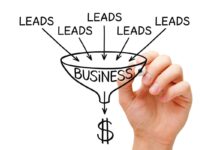

What Are Leads Online and Why They Matter

Understanding the concept of leads online is the first step toward building a sustainable digital marketing strategy. A ‘lead’ refers to a potential customer who has shown interest in your product or service. When this interaction happens through digital channels—like websites, social media, or email—it’s known as a lead generated online.
Defining Leads in the Digital Age
In the past, leads were often generated through cold calls, trade shows, or print ads. Today, leads online are captured through forms, chatbots, downloads, or sign-ups on websites. These digital interactions allow businesses to collect valuable data such as names, emails, job titles, and behavior patterns.
- Leads online are tracked and analyzed using CRM tools like Salesforce.
- They can be categorized as marketing qualified leads (MQLs) or sales qualified leads (SQLs).
- Digital leads offer higher traceability and conversion potential than traditional methods.
Why Online Lead Generation Is Critical for Modern Businesses
With over 5.3 billion internet users globally, the digital space is where customers spend most of their time. Capturing leads online allows companies to scale faster, reduce acquisition costs, and personalize outreach.
“The best leads aren’t found—they’re built through consistent digital engagement.” – Marketing Expert, Neil Patel
According to HubSpot, companies that prioritize lead generation see 133% more revenue growth year-over-year compared to those that don’t. This makes leads online not just a tactic, but a core business driver.
Top 7 Strategies to Generate High-Quality Leads Online
Generating leads online doesn’t have to be complicated. With the right strategies, even small businesses can compete with industry giants. Below are seven proven, data-backed methods to attract, convert, and nurture leads online effectively.
1. Optimize Your Website for Lead Conversion
Your website is your digital storefront. If it’s not optimized for lead capture, you’re losing opportunities every second. Start by ensuring your site has clear calls-to-action (CTAs), fast loading times, and mobile responsiveness.
- Use pop-ups or slide-ins with compelling offers (e.g., free trials, eBooks).
- Implement lead capture forms above the fold on key pages.
- Integrate live chat tools like Intercom to engage visitors in real-time.
A/B testing different form lengths and CTA placements can increase conversion rates by up to 40%, according to Optimizely.
2. Create High-Value Content That Converts
Content marketing remains one of the most effective ways to generate leads online. By offering valuable information, you build trust and position your brand as an authority.
- Develop gated content such as whitepapers, templates, or webinars.
- Use SEO-optimized blog posts to attract organic traffic and convert readers into leads.
- Repurpose top-performing content into videos, infographics, or email sequences.
For example, a well-researched guide titled “The Ultimate SEO Checklist” can attract thousands of visitors and convert them into email subscribers—turning into qualified leads online.
3. Leverage Social Media Platforms Strategically
Social media isn’t just for brand awareness—it’s a powerful tool for generating leads online. Platforms like LinkedIn, Facebook, and Instagram offer advanced targeting and lead ad features.
- Run lead generation ads with instant forms on Facebook and LinkedIn.
- Host live Q&A sessions to engage prospects and collect contact info.
- Use LinkedIn InMail campaigns to reach decision-makers directly.
LinkedIn reports that its lead gen forms have up to 2x higher conversion rates than standard landing pages, making it a top choice for B2B companies seeking leads online.
4. Invest in Pay-Per-Click (PPC) Advertising
PPC campaigns on Google Ads and Microsoft Advertising can deliver immediate results when it comes to capturing leads online. Unlike organic traffic, which takes time to build, paid ads put your business in front of ready-to-buy audiences instantly.
- Target high-intent keywords like “best CRM for small business” or “how to generate leads online”.
- Use ad extensions (call, location, site links) to increase visibility and click-through rates.
- Direct traffic to dedicated landing pages optimized for conversions.
According to WordStream, the average conversion rate for Google Search ads across industries is 3.75%, significantly higher than display network averages.
5. Build and Nurture an Email List
Email marketing continues to deliver one of the highest ROIs for lead generation. For every $1 spent, email marketing generates $42 in return (Campaign Monitor). Building a targeted email list is crucial for turning leads online into paying customers.
- Offer lead magnets like free courses, discount codes, or toolkits.
- Use double opt-in to ensure list quality and compliance.
- Segment your audience based on behavior and preferences for personalized messaging.
Automated email sequences can nurture leads online over time, guiding them from awareness to purchase without constant manual effort.
6. Utilize Search Engine Optimization (SEO)
SEO is a long-term strategy that drives consistent, high-intent traffic to your website—making it a cornerstone for sustainable leads online. By ranking for relevant keywords, you attract users actively searching for solutions you provide.
- Conduct keyword research using tools like Ahrefs or SEMrush.
- Optimize on-page elements: titles, meta descriptions, headers, and internal links.
- Build backlinks from authoritative sites to boost domain authority.
A study by BrightEdge found that organic search drives 53% of all website traffic, proving that SEO is indispensable for generating leads online at scale.
7. Implement Marketing Automation Tools
Manual follow-ups don’t scale. Marketing automation platforms help you capture, score, and nurture leads online automatically, saving time and increasing efficiency.
- Use tools like HubSpot or ActiveCampaign to set up drip campaigns.
- Trigger personalized emails based on user behavior (e.g., page visits, downloads).
- Integrate with your CRM to sync lead data seamlessly.
Marketing automation can increase sales productivity by 14.5% and reduce marketing overhead by 12–15%, according to Nucleus Research.
How to Qualify and Score Leads Online
Not all leads online are created equal. Some are ready to buy, while others are just browsing. That’s why lead qualification and scoring are critical to focus your sales team on the most promising prospects.
Understanding Lead Qualification Frameworks
Two popular models for qualifying leads online are BANT and CHAMP:
- BANT: Budget, Authority, Need, Timing – helps assess if a lead is ready to purchase.
- CHAMP: Challenges, Authority, Metrics, Prioritization – focuses on solving customer pain points.
Using these frameworks ensures your sales team spends time only on leads online with real conversion potential.
Lead Scoring: From Engagement to Sales Readiness
Lead scoring assigns numerical values to prospects based on their behavior and profile. For example:
- Visiting pricing page: +20 points
- Downloading a product brochure: +30 points
- Job title = CEO or Director: +25 points
Once a lead reaches a threshold (e.g., 70 points), they’re passed to the sales team. This process improves alignment between marketing and sales and increases close rates.
Tools and Platforms to Capture Leads Online
Technology plays a pivotal role in modern lead generation. The right tools can automate workflows, improve data accuracy, and enhance user experience.
CRM Systems for Managing Leads Online
Customer Relationship Management (CRM) platforms are essential for organizing and tracking leads online throughout the sales funnel.
- Salesforce: Industry leader with robust automation and analytics.
- Zoho CRM: Affordable and feature-rich for small to mid-sized businesses.
- HubSpot CRM: Free tier available with excellent integration capabilities.
These systems allow you to track interactions, set reminders, and forecast sales based on leads online data.
Form Builders and Landing Page Tools
Capturing leads online starts with well-designed forms and landing pages. These tools make it easy to create high-converting assets without coding.
- Unbounce: Drag-and-drop landing page builder with A/B testing.
- Typeform: Interactive forms that feel conversational.
- JotForm: Highly customizable forms with payment integration.
Using these tools, you can create targeted campaigns for specific buyer personas and track performance in real time.
Email Marketing and Automation Platforms
To nurture leads online effectively, you need a reliable email marketing platform that supports segmentation, automation, and analytics.
- Mailchimp: Great for beginners with intuitive design.
- ActiveCampaign: Advanced automation and CRM features.
- ConvertKit: Ideal for creators and content-based businesses.
These platforms help maintain consistent communication with leads online, increasing the chances of conversion over time.
Common Mistakes When Generating Leads Online
Even experienced marketers make errors that hurt their lead generation efforts. Avoiding these pitfalls can save time, money, and frustration.
Targeting the Wrong Audience
One of the biggest mistakes is trying to appeal to everyone. Without a clear buyer persona, your messaging becomes diluted and ineffective.
- Conduct market research to understand your ideal customer.
- Analyze existing customer data to identify common traits.
- Refine your targeting on ads and content to match audience needs.
Trying to generate leads online without knowing who you’re speaking to is like fishing without bait.
Ignoring Lead Nurturing
Only 2% of leads online convert on the first interaction. The rest require nurturing through multiple touchpoints before they’re ready to buy.
- Develop a multi-channel nurturing strategy (email, social, retargeting ads).
- Provide value at every stage of the buyer’s journey.
- Use automation to stay top-of-mind without being pushy.
According to Forrester, companies that excel at lead nurturing generate 50% more sales-ready leads at a 33% lower cost.
Poor Follow-Up and Sales Handoff
A disconnect between marketing and sales teams often results in lost leads online. Leads may go cold due to delayed follow-up or lack of proper context.
- Establish clear SLAs (Service Level Agreements) for response times.
- Ensure sales reps have full visibility into lead behavior and history.
- Use lead scoring to prioritize which leads online get immediate attention.
Research by InsideSales shows that the odds of qualifying a lead drop by 80% if the follow-up takes longer than 5 minutes.
Measuring the Success of Your Leads Online Campaigns
Generating leads online is only half the battle. To improve continuously, you must measure performance using the right KPIs and analytics tools.
Key Metrics to Track
To evaluate the effectiveness of your lead generation efforts, monitor these critical metrics:
- Conversion Rate: Percentage of visitors who become leads.
- Cost Per Lead (CPL): Total spend divided by number of leads generated.
- Lead-to-Customer Rate: How many leads turn into paying customers.
- Customer Acquisition Cost (CAC): Total cost to acquire one customer.
- Return on Ad Spend (ROAS): Revenue generated per dollar spent on ads.
Tracking these metrics helps you identify what’s working and where to optimize.
Using Analytics Tools to Gain Insights
Data-driven decisions are key to scaling leads online successfully. Use analytics platforms to get a holistic view of your performance.
- Google Analytics: Track user behavior, traffic sources, and conversion paths.
- Hotjar: Visualize user interactions with heatmaps and session recordings.
- Crazy Egg: Identify drop-off points on landing pages.
These tools reveal how users interact with your site, helping you refine your lead capture strategy.
Future Trends in Leads Online Generation
The landscape of leads online is constantly evolving. Staying ahead of trends ensures your business remains competitive and relevant.
AI-Powered Lead Generation
Artificial intelligence is transforming how leads online are captured and nurtured. AI tools can predict buyer intent, personalize content, and automate outreach.
- Chatbots use natural language processing to qualify leads 24/7.
- Predictive lead scoring uses machine learning to identify high-potential prospects.
- AI-driven email assistants write personalized messages at scale.
Companies using AI for sales see a 50% increase in leads, according to Salesforce’s State of Sales report.
Increased Use of Video and Interactive Content
Video content is becoming a dominant force in lead generation. Interactive videos, quizzes, and calculators engage users and collect data simultaneously.
- Use explainer videos on landing pages to boost conversions.
- Create interactive ROI calculators to capture leads online.
- Host live product demos with instant sign-up options.
According to Wyzowl, 87% of marketers say video has helped them increase leads online.
Privacy-First Lead Generation
With growing concerns over data privacy and regulations like GDPR and CCPA, businesses must adopt transparent and ethical lead generation practices.
- Clearly communicate how user data will be used.
- Obtain explicit consent before collecting personal information.
- Offer value in exchange for data to build trust.
Consumers are more likely to share information when they understand the benefit and feel in control.
How can I generate more leads online for free?
You can generate leads online for free by creating valuable content (blogs, videos, guides), optimizing your website for SEO, leveraging social media platforms, joining online communities, and offering free tools or resources in exchange for contact information.
What’s the difference between a lead and a prospect?
A lead is someone who has shown initial interest (e.g., signed up for a newsletter). A prospect is a qualified lead who has been vetted and is actively being pursued by the sales team.
Which platform is best for generating B2B leads online?
LinkedIn is widely regarded as the best platform for generating B2B leads online due to its professional network, advanced targeting options, and lead gen forms.
How long does it take to see results from leads online strategies?
Results vary: PPC and social ads can yield leads online within days, while SEO and content marketing may take 3–6 months to show significant results. Consistency and optimization are key.
What should I do after capturing a lead online?
After capturing a lead online, immediately send a welcome email, segment the lead based on behavior, and begin a nurturing sequence with relevant content. Use lead scoring to determine when to pass them to sales.
Generating leads online is no longer optional—it’s the foundation of modern business growth. From optimizing your website and creating high-value content to leveraging AI and automation, the strategies outlined in this article provide a comprehensive roadmap to success. By understanding your audience, using the right tools, and measuring performance, you can build a scalable, sustainable lead generation engine. The future belongs to businesses that can adapt, innovate, and consistently deliver value to their prospects. Start implementing these tactics today and watch your leads online—and your revenue—skyrocket.
Further Reading:
