Want to know how top marketers generate high-quality leads effortlessly? It all starts with mastering leadsonline—your ultimate gateway to scalable growth, smarter funnels, and real-time customer insights.

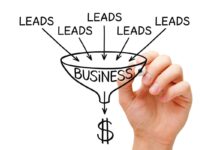

What Is leadsonline and Why It Matters

The term leadsonline has evolved beyond a simple buzzword. It represents a comprehensive ecosystem where businesses capture, manage, and convert digital leads efficiently. Whether you’re running a startup or scaling an enterprise, understanding leadsonline dynamics is crucial for sustainable success in today’s hyper-competitive online landscape.
Defining the Concept of leadsonline
At its core, leadsonline refers to the process of generating, tracking, and nurturing potential customers (leads) through digital channels. This includes websites, social media, email campaigns, paid ads, and landing pages—all designed to attract interest and convert visitors into actionable prospects.
- Leads are typically identified by contact information such as email, phone number, or social profiles.
- The ‘online’ aspect emphasizes digital automation, analytics, and scalability.
- Modern leadsonline systems integrate CRM tools, AI-driven chatbots, and behavioral tracking.
“In the digital economy, your pipeline is only as strong as your leadsonline strategy.” — Marketing Tech Review, 2023
How leadsonline Differs from Traditional Lead Generation
Traditional lead generation relied heavily on cold calling, print ads, trade shows, and direct mail. While these methods still have value, they lack the speed, precision, and ROI measurement that leadsonline offers.
- Speed: Online leads can be captured instantly via web forms or chatbots.
- Targeting: Digital platforms allow granular audience segmentation using data like location, behavior, and interests.
- Analytics: Every click, view, and conversion is trackable, enabling continuous optimization.
According to HubSpot’s 2024 report, companies using digital lead generation tools see a 3x higher conversion rate than those relying on offline methods.
The Evolution of leadsonline Platforms
The journey of leadsonline platforms reflects the broader evolution of digital marketing. From basic email collectors to AI-powered lead intelligence engines, the tools have become smarter, faster, and more integrated.
From Forms to Funnels: A Historical Overview
In the early 2000s, lead capture was rudimentary—think simple HTML forms embedded in static websites. Over time, marketers began building multi-step funnels to guide users toward conversion.
- 2005–2010: Rise of autoresponders and basic CRM integrations.
- 2010–2015: Emergence of landing page builders like Unbounce and Leadpages.
- 2015–2020: Integration of analytics, A/B testing, and retargeting.
Today’s leadsonline platforms go beyond form collection—they analyze intent, score leads, and trigger automated follow-ups based on user behavior.
Modern leadsonline Tools and Technologies
Current leadsonline ecosystems are powered by a blend of artificial intelligence, cloud computing, and real-time data processing. Key components include:
- Lead Scoring Engines: Assign values to leads based on engagement, demographics, and website activity.
- Chatbots & Conversational AI: Engage visitors 24/7 and qualify leads before human intervention.
- CRM Integrations: Sync leads directly into Salesforce, HubSpot, or Zoho for seamless sales alignment.
Platforms like ActiveCampaign and Marketo exemplify the sophistication now expected in a leadsonline solution.
Top Strategies to Maximize leadsonline Performance
Generating leads online isn’t just about having a website—it’s about crafting a strategic experience that converts curiosity into commitment. Here are proven tactics to supercharge your leadsonline results.
Create High-Value Lead Magnets
A lead magnet is an incentive offered in exchange for contact information. The more valuable it is, the higher the conversion rate.
- E-books, whitepapers, and industry reports
- Free trials, demos, or consultations
- Checklists, templates, and toolkits
For example, a SaaS company might offer a free “SEO Audit Template” to attract marketing professionals. This positions the brand as an authority while capturing qualified leads.
“The best lead magnets solve a specific problem in under 5 minutes.” — Neil Patel, Growth Marketer
Optimize Landing Pages for Conversion
Your landing page is the front door to your leadsonline funnel. Even the best traffic won’t convert if the page fails to persuade.
- Clear headline with a benefit-driven message
- Minimal form fields (only ask for essential info)
- Strong call-to-action (CTA) with action-oriented language
A/B testing tools like Optimizely can help identify which versions perform best. Small tweaks—like changing button color or headline wording—can boost conversions by up to 30%.
Leverage Social Proof and Trust Signals
Visitors need reassurance before handing over personal data. Incorporating trust elements increases credibility and reduces friction.
- Customer testimonials and case studies
- Trust badges (SSL certificates, payment security logos)
- Media mentions or partnership logos
A study by Nielsen Norman Group found that websites displaying trust signals saw a 25% increase in form submissions.
How leadsonline Integrates with CRM and Sales Pipelines
Generating leads is only half the battle. To truly harness the power of leadsonline, you must seamlessly connect them to your sales workflow.
Synchronizing leadsonline Data with CRM Systems
Manual data entry is error-prone and inefficient. Modern leadsonline tools integrate directly with CRM platforms to ensure real-time synchronization.
- Leads captured on a website are instantly pushed to Salesforce or HubSpot.
- Behavioral data (pages visited, time spent) enriches lead profiles.
- Automated tagging categorizes leads by source, product interest, or campaign.
This integration enables sales teams to act quickly—research shows that contacting a lead within 5 minutes increases conversion chances by 8x.
Automating Lead Nurturing Workflows
Not all leads are ready to buy immediately. leadsonline automation allows you to nurture prospects over time with personalized content.
- Drip email sequences based on user behavior
- SMS follow-ups for high-intent leads
- Dynamic content that changes based on lead profile
For instance, if a visitor downloads a guide on “CRM Selection,” they can be enrolled in a 5-day email series comparing top CRM tools—positioning your product as the ideal solution.
“Automation doesn’t replace human touch—it amplifies it.” — Ann Handley, Chief Content Officer at MarketingProfs
Measuring Success: Key Metrics in leadsonline Campaigns
You can’t improve what you don’t measure. Tracking the right KPIs ensures your leadsonline efforts are delivering tangible results.
Conversion Rate and Cost Per Lead
These two metrics form the foundation of any leadsonline evaluation.
- Conversion Rate: Percentage of visitors who become leads (e.g., fill out a form).
- Cost Per Lead (CPL): Total ad spend divided by number of leads generated.
A high conversion rate with low CPL indicates an efficient funnel. Industry benchmarks vary, but a 5–10% conversion rate is considered strong for most B2B sectors.
Lead Quality and Sales Acceptance Rate
Not all leads are equal. Quantity means little if the leads aren’t sales-ready.
- Lead Quality Score: Assesses relevance based on firmographics, behavior, and engagement.
- Sales Acceptance Rate (SAR): Percentage of leads accepted by the sales team as valid opportunities.
A low SAR often signals misalignment between marketing and sales—a common issue that can be fixed with better qualification criteria in your leadsonline process.
Return on Ad Spend (ROAS)
ROAS measures revenue generated per dollar spent on lead acquisition.
- Formula: (Revenue from Campaign) / (Ad Spend)
- A ROAS of 4:1 means $4 earned for every $1 spent.
While ROAS is a sales metric, it originates from effective leadsonline strategies. High-quality leads translate to faster sales cycles and higher lifetime value.
Common Pitfalls to Avoid in leadsonline Strategies
Even experienced marketers fall into traps that undermine their leadsonline performance. Recognizing these early can save time, money, and reputation.
Overloading Forms with Too Many Fields
Every additional field on a form reduces completion rates. Asking for too much too soon creates friction.
- Stick to 3–5 essential fields (name, email, company, phone if necessary).
- Use progressive profiling to gather more data over time.
- Consider social login options to reduce typing effort.
A Crazy Egg study showed that reducing form fields from 11 to 4 increased conversions by 120%.
Neglecting Mobile Optimization
Over 60% of web traffic comes from mobile devices. If your leadsonline forms aren’t mobile-friendly, you’re losing leads.
- Ensure buttons are thumb-friendly and text is legible.
- Minimize scrolling and loading times.
- Test forms on multiple devices and screen sizes.
Google’s mobile-first indexing means poor mobile UX can also hurt your SEO rankings—impacting organic lead flow.
Failing to Follow Up Promptly
Timing is everything in leadsonline. Delayed follow-ups drastically reduce conversion odds.
- 55% of leads expect a response within an hour (HubSpot).
- Leads contacted within 5 minutes are 21x more likely to convert.
- Automated email sequences should trigger immediately after opt-in.
Set up instant notifications for your sales team or use chatbots to acknowledge submissions in real time.
Future Trends Shaping the leadsonline Landscape
The leadsonline space is rapidly evolving. Staying ahead requires anticipating changes in technology, consumer behavior, and data privacy.
AI-Powered Lead Prediction and Scoring
Artificial intelligence is transforming how we identify high-potential leads.
- Machine learning models analyze historical data to predict which leads will convert.
- AI can detect subtle behavioral patterns (e.g., repeated visits, video views) that humans might miss.
- Tools like Salesforce Einstein offer built-in AI for lead scoring.
Expect AI to become standard in all major leadsonline platforms within the next 2–3 years.
Privacy-First leadsonline Approaches
With GDPR, CCPA, and browser restrictions (like Apple’s ITP), tracking and targeting are becoming more complex.
- Zero-party data (information willingly shared by users) is gaining importance.
- Transparent consent mechanisms build trust and compliance.
- Contextual advertising replaces third-party cookies in targeting.
Brands that prioritize privacy will gain long-term advantages in customer loyalty and regulatory compliance.
Hyper-Personalization at Scale
Generic messaging no longer works. The future of leadsonline lies in delivering personalized experiences to thousands of users simultaneously.
- Dynamically adjust landing page content based on visitor source or profile.
- Use AI to generate personalized subject lines and email copy.
- Leverage past interactions to recommend relevant offers.
According to McKinsey, companies excelling in personalization generate 40% more revenue from these activities than average players.
What is leadsonline?
leadsonline refers to the digital process of capturing, managing, and converting potential customers through online channels such as websites, social media, and email campaigns. It leverages automation, analytics, and CRM integration to streamline lead generation and nurturing.
How can I improve my leadsonline conversion rate?
You can boost your leadsonline conversion rate by optimizing landing pages, reducing form fields, offering high-value lead magnets, using trust signals, and ensuring mobile responsiveness. A/B testing and behavioral targeting also play key roles.
What tools are best for leadsonline management?
Top tools include HubSpot, ActiveCampaign, Marketo, and Salesforce Pardot. These platforms offer lead capture, scoring, automation, and CRM sync capabilities essential for effective leadsonline strategies.
Is leadsonline suitable for small businesses?
Absolutely. Small businesses can leverage affordable leadsonline tools like Mailchimp, ConvertKit, or Leadpages to compete with larger players. The scalability and low entry cost make it ideal for startups and SMBs.
How does AI impact leadsonline?
AI enhances leadsonline by enabling predictive lead scoring, chatbot qualification, content personalization, and automated follow-ups. It improves efficiency, accuracy, and response times across the entire lead lifecycle.
Mastering leadsonline is no longer optional—it’s a business imperative. From crafting compelling lead magnets to integrating AI-driven analytics, every element of your digital strategy must align to attract, engage, and convert high-quality leads. By avoiding common pitfalls, embracing automation, and staying ahead of trends like privacy-first marketing and hyper-personalization, you position your brand for sustainable growth. The future of lead generation is online, intelligent, and immediate. Are you ready?
Further Reading:
